- Why Partner Selection Defines Your Pharma Brand
- 1. WHO-GMP & Revised Schedule M Compliance
- 2. Analytical Testing Laboratories & GLP Standards
- 3. Dosage Form Capabilities & Modern Equipment
- 4. Batch MOQ Flexibility vs Commercial Economics
- 5. Turnaround Times (TAT) & Raw Material Buffers
- 6. Packaging Innovation & Moisture Barrier Tech
- 7. Regulatory Dossiers & Quality Documentation
- 8. Transparent Costing & Conversion Charges
- 9. Strategic Geographic Hub Location (Haryana/NCR)
- Comparative Manufacturer Evaluation Matrix
- Critical Regulatory Red Flags to Avoid
- Frequently Asked Questions
Why Partner Selection Defines Your Pharma Brand's Survival
In the competitive Indian pharmaceutical ecosystem, over 70% of formulations distributed under prominent domestic brand names are produced via third-party contract manufacturing. While this asset-light model frees pharmaceutical marketing companies from multi-crore capital expenditures in land, cleanrooms, and high-speed machinery, it ties brand reputation directly to the operational discipline of your manufacturing partner.
A single batch rejection, delayed dispatch during peak seasonal demand, or failure during statutory state drug inspector sampling can jeopardize millions in distribution credit and permanently revoke medical practitioner trust. Selecting a contract manufacturing partner is not merely a purchasing decision—it is the foundational strategic partnership of your healthcare enterprise.
1. WHO-GMP & Revised Schedule M Compliance
The Ministry of Health and Family Welfare's updated Revised Schedule M guidelines mandate stringent quality management systems equivalent to international WHO standards. When evaluating manufacturing plants in India, verify:
- Current Good Manufacturing Practice (cGMP) Certificate: Ensure the facility holds an active WHO-GMP certificate issued by the State Licensing Authority or CDSCO, complete with the specific dosage form annexure.
- HVAC & AHU Air Handling Systems: Validated HEPA filtration delivering ISO Class 7 and Class 8 cleanroom classifications across core compression, granulation, and encapsulation suites.
- Purified Water Systems: Continuous loop USP/IP grade Purified Water systems with real-time TOC (Total Organic Carbon) and conductivity monitoring to prevent bio-burden contamination.
2. Analytical Testing Laboratories & GLP Standards
A premium manufacturer must possess an autonomous, GLP-compliant (Good Laboratory Practice) Quality Control (QC) and Quality Assurance (QA) wing. Never partner with facilities that outsource basic analytical assays to unverified third-party labs without documented oversight.
Key Laboratory Instruments to Confirm On-Site:
Ensure the facility houses calibrated High-Performance Liquid Chromatography (HPLC), Gas Chromatography (GC), UV-Vis Spectrophotometers, Digital Dissolution Test Apparatus (USP 1 & 2), and automated Karl Fischer moisture titrators.
3. Dosage Form Capabilities & Modern Equipment
Assess whether the plant specializes in your target therapeutic segment. Multi-specialty plants must demonstrate strictly segregated air-locks and dedicated containment corridors to eliminate cross-contamination between beta-lactams, cephalosporins, hormonal products, and general pharmaceutical formulations.
Ask for machinery specifications: High-speed double-rotary tablet compression presses (e.g., 37-station or 45-station tooling), automated capsule filling machines with micro-pellet attachment, and computerized liquid filling lines with nitrogen flushing.
4. Batch MOQ Flexibility vs Commercial Economics
For pharma startups and emerging marketing companies, cash flow is paramount. Manufacturers demanding rigid MOQs of 2,00,000 tablets per SKU tie up working capital and create short-dated inventory risks.
Look for dynamic manufacturing partners offering scalable tiered MOQs: 50,000 tablets for new product launches, transitioning to 1,00,000+ units as commercial prescription traction expands. For specialized injectables and critical syrups, flexible batch sizes between 2,500 and 5,000 units offer ideal balance.
5. Turnaround Times (TAT) & Raw Material Buffers
Market stockouts kill retail brand momentum. Inquire about exact batch turnaround commitments:
| Order Type | Standard Production SLA | Critical Path Dependencies |
|---|---|---|
| New Product Launch | 30 to 35 Days | Brand artwork signoff, stereotype/cylinder engraving, foil printing |
| Repeat Production Batch | 20 to 25 Days | Raw API release, compression, blister packing, COA release |
| Urgent Stock Replenishment | 15 to 18 Days | Pre-approved packaging inventory, active raw material buffer stock |
6. Packaging Innovation & Moisture Barrier Tech
Product aesthetics and stability during tropical monsoons are non-negotiable in India. Verify the manufacturer's packaging line infrastructure:
- ALU-ALU Cold Forming: Dual aluminium foil seal delivering absolute impermeability to oxygen, light, and ambient moisture—vital for hygroscopic combinations like Amoxicillin-Clavulanate and Pantoprazole.
- PVC/PVDC Blister Packing: High-clarity thermoform blister packs with 40gsm to 90gsm PVDC barrier coatings for standard OTC and chronic care formulations.
- Secondary Cartons & Holographic Security: Automated cartooning with tamper-evident seals, embossed Braille typography, and 2D DataMatrix serialization for anti-counterfeit compliance.
7. Regulatory Dossiers & Quality Documentation
Your contract manufacturer must provide complete technical and statutory dossiers to support your wholesale distribution and institutional tenders:
- Batch Manufacturing Records (BMR) and Batch Packaging Records (BPR).
- Certificate of Analysis (COA) for both raw API and finished formulations.
- Accelerated and Real-Time Stability Study reports confirming claimed shelf life (24 to 36 months).
- Form 29 / Loan License and DCGI NOC approvals for new combinations.
8. Transparent Costing & Conversion Charges
Avoid contract partners who present ambiguous lumpsum quotation rates. Professional manufacturers deliver transparent cost sheets breaking down:
Finished Batch Cost = Active API + Excipients + Conversion Charge + Primary Packaging (Foil/PVC) + Secondary Cartons & Shippers + Outward Logistics + GST (12% / 18%)
Ensure one-time plate and cylinder engraving fees are clearly itemized without hidden renewal charges on repeat orders.
9. Strategic Geographic Hub Location (Haryana/NCR)
Geographic proximity to central pharmaceutical logistics hubs yields massive freight savings and faster transit. Manufacturing corridors in Haryana, Ambala Cantt, Chandigarh Tricity, and Delhi NCR provide direct access to national road freight networks, domestic airports, and bonded ICD container depots for both pan-India dispatch and export consignments.
Comparative Manufacturer Evaluation Matrix
| Evaluation Parameter | Premium Contract Partner (Riomedica Standard) | Low-Cost Unorganized Plant |
|---|---|---|
| Certification | WHO-GMP, Revised Schedule M, ISO 9001:2015 | Basic State GMP only, outdated infra |
| Analytical Testing | 100% In-House HPLC, Dissolution, Microbial Lab | Limited wet lab; sporadic testing |
| Lead Time SLA | 20-25 days repeat, guaranteed in SLA | 45-60 days with frequent unannounced delays |
| Packaging Quality | Defect-free ALU-ALU, blister leak test certified | Foil curling, poor heat seal, leakage risk |
| Regulatory Support | Complete BMR, COA, Stability data, Artwork audit | Reluctant to share technical validation files |
Critical Regulatory Red Flags to Avoid
Warning Signs: Walk away from prospective manufacturers if they: (1) Refuse an in-person or virtual factory audit, (2) Offer suspiciously cheap quotes below raw API market index prices, (3) Lack automated leak test apparatus on blister packaging lines, or (4) Have active Warning Letters or Stop-Production notices from State or Central Drug Authorities.
Verified by Riomedica Healthcare Technical Board
This technical formulation guide complies with current Schedule M and CDSCO manufacturing audit protocols. Riomedica Healthcare connects brand owners with certified WHO-GMP partner facilities across India.
Frequently Asked Questions (B2B FAQ)
What licenses do I need to manufacture my own pharma brand under third party?
You require a valid Wholesale Drug License (Form 20B and 21B), GST Registration Certificate, Company PAN Card, and registered Brand Trademark (TM) application or registration certificate.
Can a third-party manufacturer supply formulations under my proprietary brand name?
Yes. Under third-party or contract manufacturing, the plant produces formulations with your custom brand name, logo, corporate address, and statutory marketing label details.
What is the standard payment term for third-party pharma manufacturing?
Standard industry practice requires a 30% to 50% advance deposit with the purchase order to initiate raw material and packaging procurement, with the balance payable against Proforma Invoice and final COA before dispatch.
How does Riomedica Healthcare assist clients in third-party manufacturing?
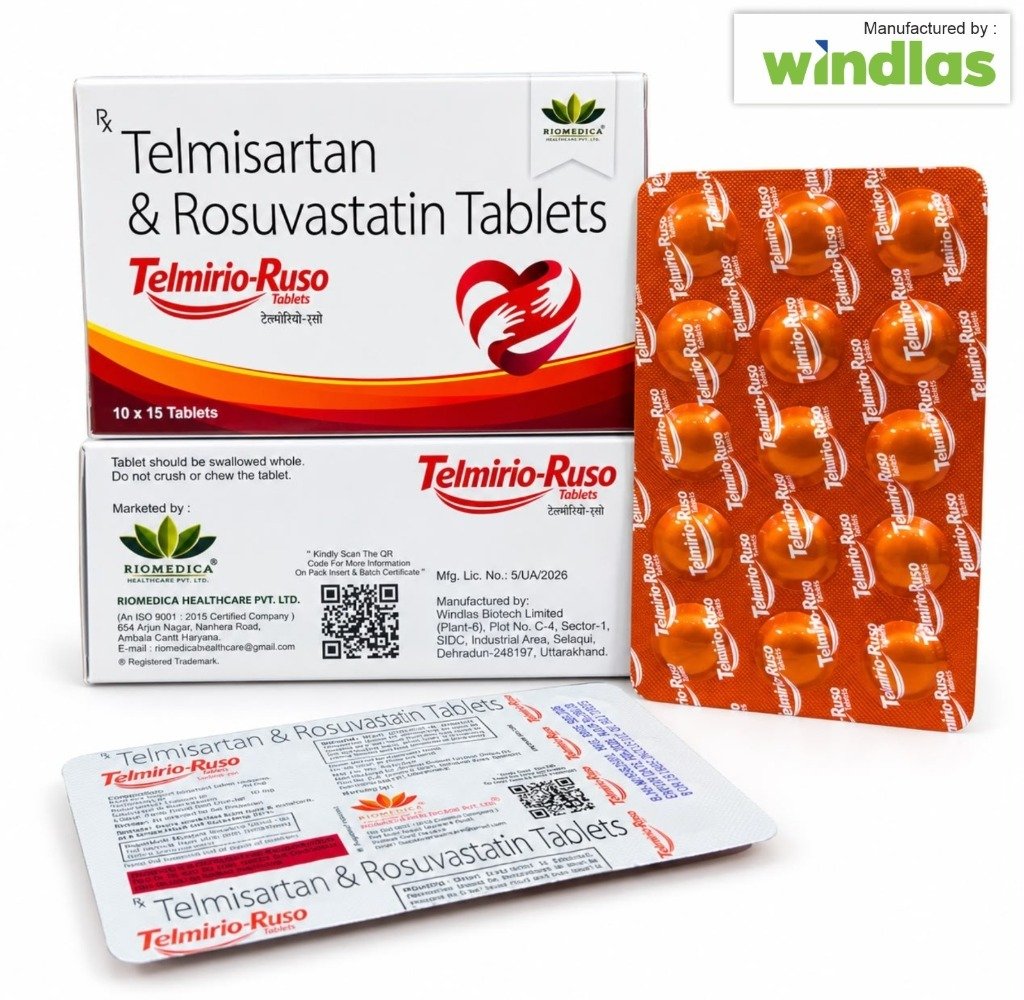
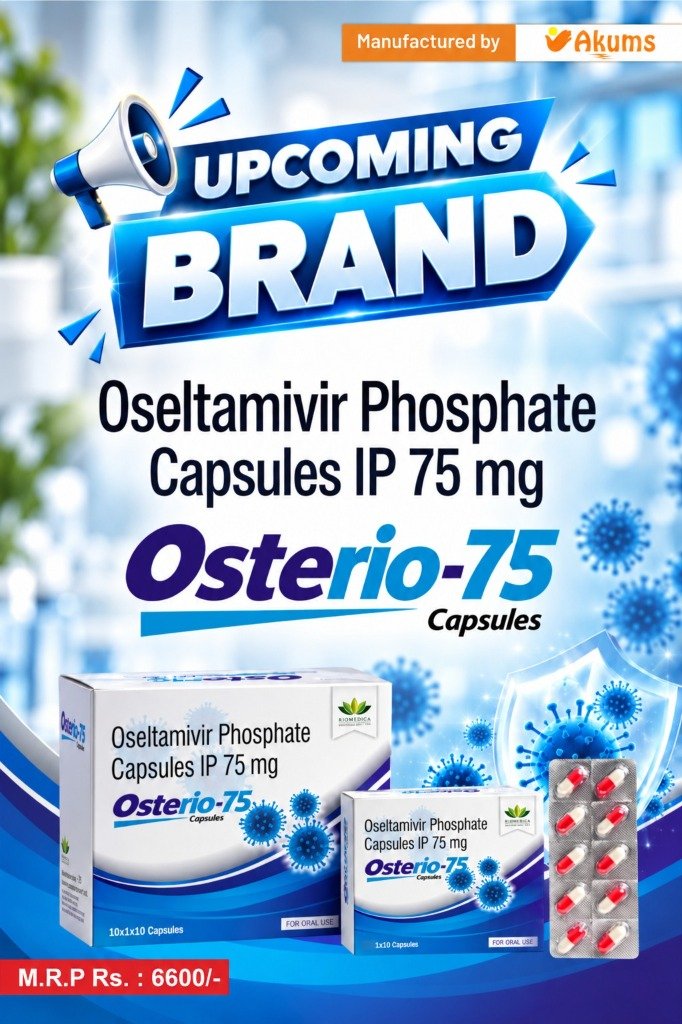
Riomedica Healthcare connects pharmaceutical brand owners with premier WHO-GMP certified partner plants (including Akums, Windlas, Biodeal, Ultra Drugs, Medicef, Mascot), providing end-to-end technical oversight, competitive MOQs, regulatory documentation, and fast 20-25 day dispatch.